


At AMECO, we are proud to have been serving Californians for decades.
During that time we've served thousands of homes and businesses by installing and maintaining solar panel systems.
We continue bringing the same passion and dedication to every project we undertake.
Work With the Best. Work With AMECO.
Wherever you are in California, AMECO has the equipment, expertise, and experience to handle all of your solar needs. Enter your zip code here to see the services we offer near you:

Empowering Californians With Sustainable Energy
Quality, Efficiency, and Customer Satisfaction – That's the AMECO Promise. Join over 7,000 satisfied customers and make the switch to renewable solar energy with solar installation from AMECO. Read more about our solar panel services and projects here:

6.8.2022
ABOUT THIS PROJECT
Check out this solar project Pasadena, CA.
Take a look at this beautiful solar installation in the Pasadena neighborhood. This project with countless others was a real pleasure to work on. This customer was not only looking to lower their electric bill, but also looking to lower their carbon foot print. One thing people are facing is more time at home such as this client and just like this customer many people are seeing an increase in their electric usage. For this client we would wanted to get a complete understanding of the client usage, budget, and also forecast usage.
Once we gathered this information we were able to create a custom system for the client. The type of system we created for the client was using top of the line REC panels and we used Solaredge optimizers to maximize solar production. Since going solar the our customer has been able to enjoy thousands in years savings and at the same time they are doing their part to help the environment.
Ready to get started on your solar project? Then contact our solar energy experts to see how much you can save with AMECO Solar.


Location
Pasadena, CA
Year
2021
Turnaround
2 Months
Tech
Panel Brand: REC
Inverter Brand: SolarEdge
System Size: 4.38

6.8.2022
If you live in Southern California, you know the feeling of opening your monthly electricity bill. The rates just seem to keep climbing, especially in places like Orange County where costs are well above the national average. For many homeowners, it feels like there’s no way to get ahead. But what if you could take control of that expense for good? This is the story of one homeowner who did just that by installing solar panels in Fountain Valley. They were tired of high utility costs and wanted a smarter, more sustainable way to power their home. In this project spotlight, we’ll break down the real numbers: the initial investment, the long-term savings, and the impressive return.
Project Spotlight: Solar Panels in Fountain Valley
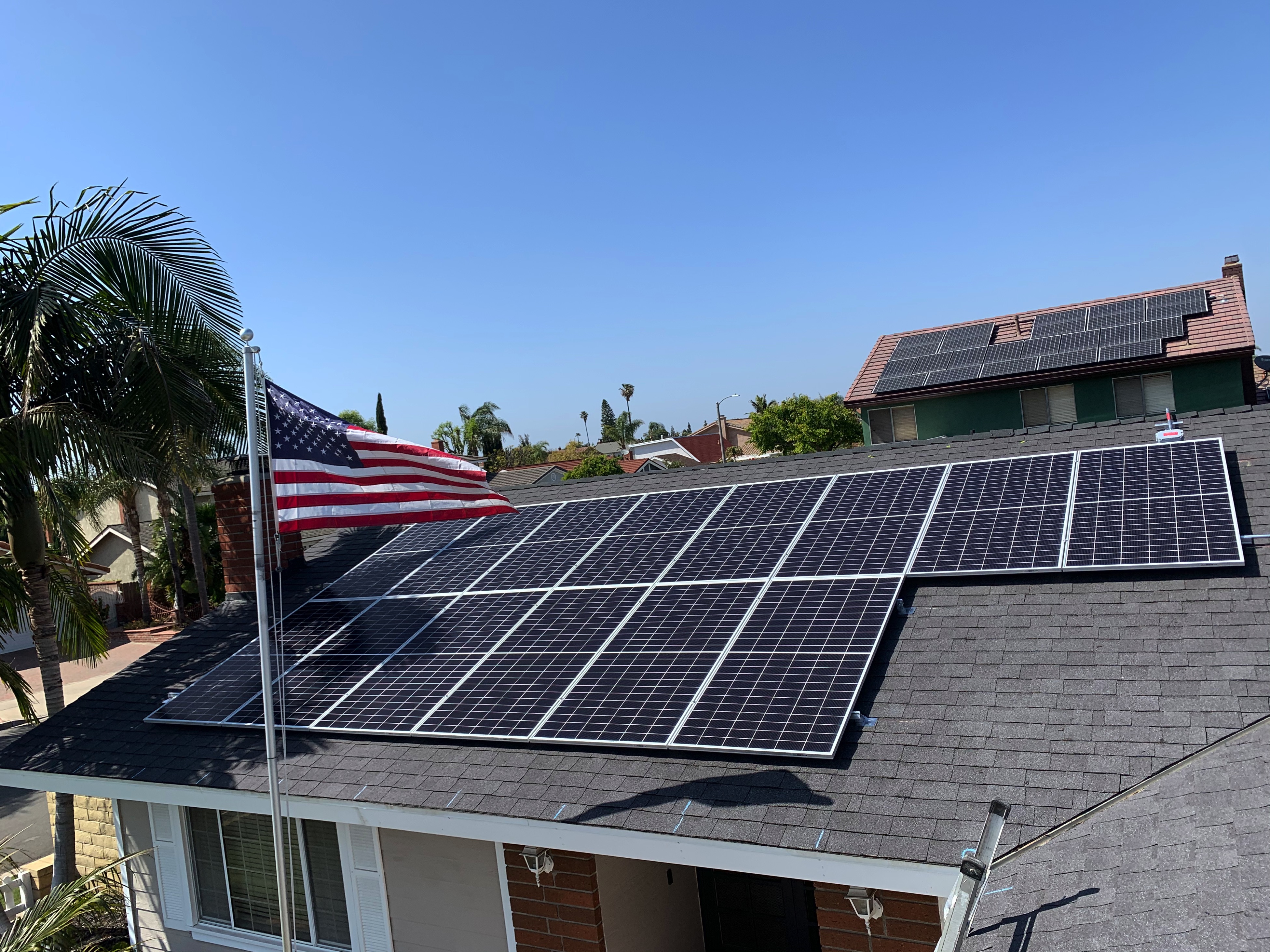
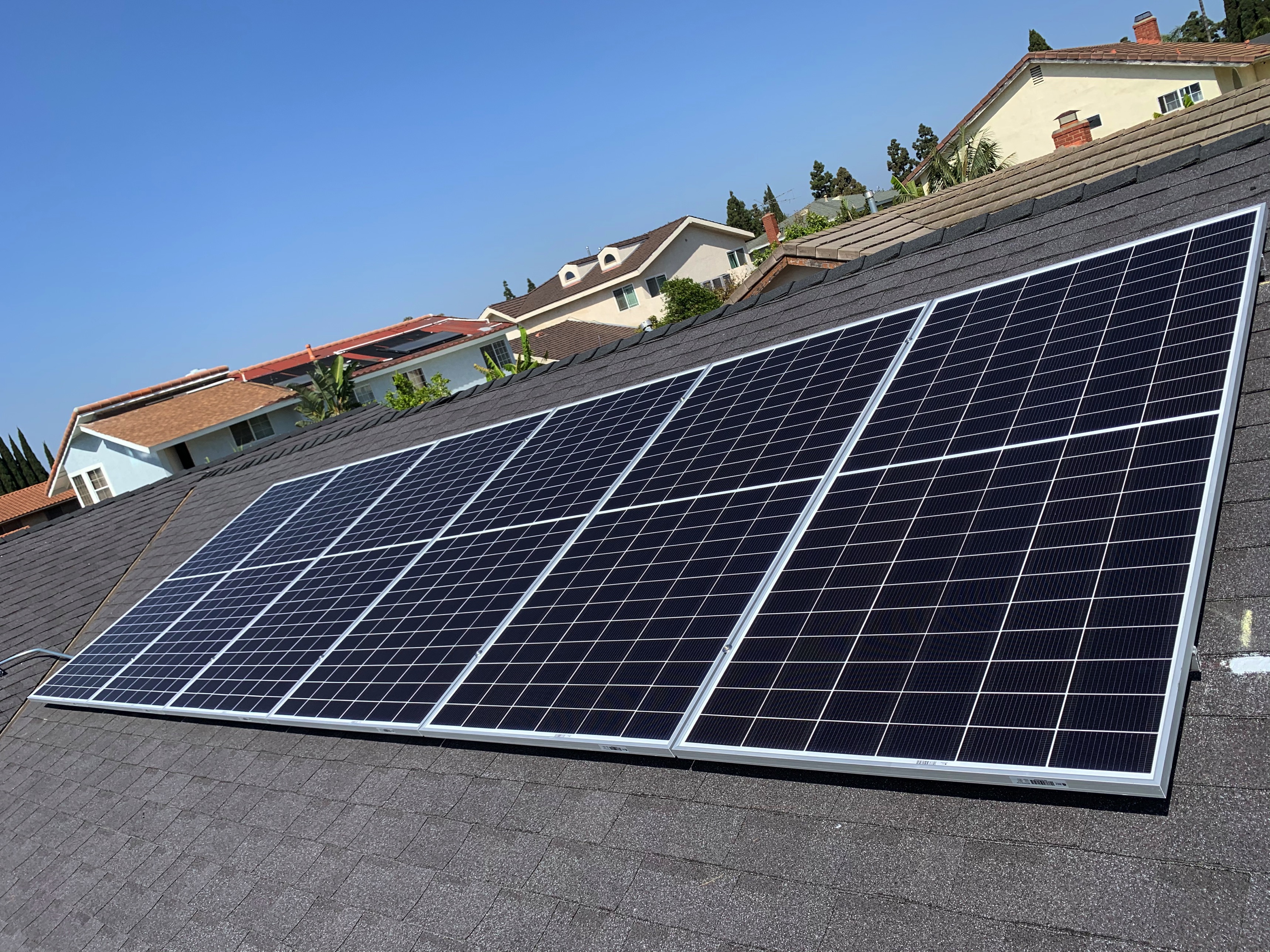
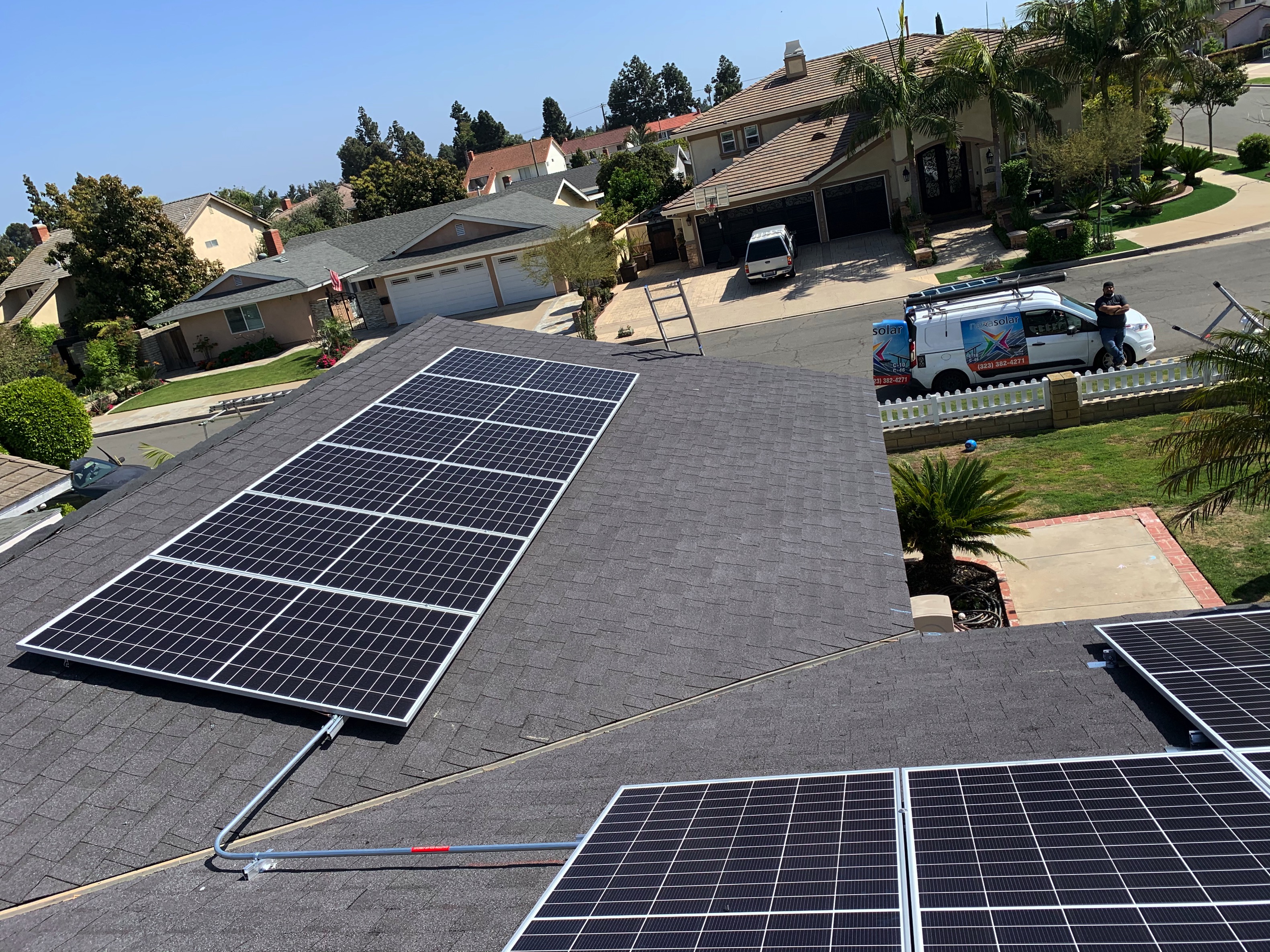
Check out these super sleek solar panels in Fountain Valley, CA.
Our team of solar experts had a great time working with this homeowner on their journey to solar.
As with most SoCal homeowners they had two main reasons for wanting to add rooftop solar panels. High electricity rates and a desire for clean energy.
Fountain Valley sits right in the middle of Orange County, which means high utility bills. The average Fountain Valley homeowner pays 15.98¢/kWh. Keep in mind, this is a base rate and does not consider peak rates which can climb to over 40¢/kWh depending on the time of use rate increases.
For further context, this means the average Fountain Valley resident pays 4.17% more than the California average and 34.51% more than the national average.
Adding rooftop solar panels, like this homeowner did, immediately reduces your monthly electricity bills and allows you to save tens of thousands of dollars in the long-run.
Also, adding solar panels can drastically cut down on your carbon footprint. Rather than using grid-based electricity that utility companies generate in unsustainable way, solar panels allow you to capture energy to power your home carbon free!
Ready to make the switch to solar? Then contact the experts at AMECO to see how much we can help you save when you go solar.
The Neighborhood: Fountain Valley
Fountain Valley
Average Solar Costs and Savings in Fountain Valley
Let's talk numbers. Investing in solar is a significant decision, and understanding the costs and potential savings is the first step. For a typical homeowner in Fountain Valley, an 8.12 kW solar panel system is usually what's needed to cover energy consumption. The average cost for a system of this size is around $20,240 before you factor in any incentives or rebates. While that initial number might seem high, it's crucial to look at it as a long-term investment in your home and your financial future. The immediate benefit is a reduction in your monthly electricity bills, which, as you know, can be quite steep in Southern California. Over time, these monthly savings add up to something substantial.
Understanding Your Potential ROI
The return on your solar investment (ROI) is where things get really exciting. Homeowners in Fountain Valley can save an average of $103,821 over 25 years on their utility bills. Think about what you could do with that extra money! The system typically pays for itself in about eight years, and after that, you're essentially generating free electricity for the life of the panels. Every month, instead of sending a large payment to the utility company, you're paying down an asset that adds value to your home. If you're curious about your specific numbers, you can use an estimate calculator to get a personalized look at your potential savings based on your home's energy use.
How to Size Your Solar System
Getting the right size for your solar system is key to maximizing your savings. A good rule of thumb is the "20% rule," which suggests your system should be designed to produce about 20% more energy than your household typically consumes. This buffer is smart for a few reasons. First, it accounts for the natural, gradual decrease in panel efficiency over their 25+ year lifespan. Second, it prepares you for future increases in energy use, like if you buy an electric vehicle or a new appliance. Properly sizing your system ensures you have all the power you need for years to come, making it a core part of our approach to designing custom solar solutions.
How to Choose a Solar Installer in Fountain Valley
Once you've decided to go solar, picking the right installer is one of the most important choices you'll make. The quality of the installation directly impacts your system's performance, longevity, and your overall savings. A great installer ensures your panels are positioned for optimal sun exposure, the wiring is safe and efficient, and the system is seamlessly integrated with your home's electrical setup. They also handle all the permits and paperwork, making the process smooth and stress-free. Think of your installer as your long-term partner in your home's energy journey; you want to choose a team that is reliable, experienced, and committed to quality workmanship from start to finish.
Compare Quotes and Experience
It’s always a good idea to get a few different quotes before settling on an installer. In fact, comparing multiple offers can save you up to 20% on the total cost. However, don't let price be your only guide. The cheapest option isn't always the best. Look at what each quote includes, from the specific equipment being used to the warranties offered. Most importantly, consider the installer's experience. A company that has been around for decades, like AMECO has since 1974, brings a level of expertise and stability that newer companies can't match. This long history means they've seen it all and have a proven track record of serving residential customers just like you.
Check Credentials and Warranties
Before signing any contracts, do a little homework. Make sure any installer you consider is properly licensed, bonded, and insured in California. This protects you from any liability in case of accidents on your property. Also, pay close attention to the warranties. There are typically two types: an equipment warranty from the manufacturer and a workmanship warranty from the installer. A strong workmanship warranty is a sign that the installer stands behind their work. At AMECO, we provide comprehensive solar solutions that include robust warranties on both the top-tier products we use and our own installation quality, giving you peace of mind for decades.
Read Customer Reviews
Customer reviews are an invaluable resource for getting an honest look at a company's reputation. Check what past clients are saying on independent sites like Google, Yelp, and EnergySage. Are customers happy with the installation process? How did the company handle issues when they arose? Look for patterns in the feedback. Consistent praise for communication, professionalism, and post-installation support is a great sign. Reviews give you a real-world glimpse into the customer experience you can expect, helping you feel confident that you're choosing a company that truly cares about its clients and the quality of its work.
Ask About the Installation Team
Finally, don't hesitate to ask who will actually be installing the panels on your roof. Some companies subcontract their installations to third-party crews, which can lead to inconsistencies in quality and accountability. An installer with a dedicated, in-house team has much better control over training, safety standards, and the overall quality of the job. Inquiring about the experience and qualifications of the installation team is a perfectly reasonable step. A reputable company will be proud to tell you about their skilled technicians and their commitment to ensuring every project, from a small home to a large commercial property, is completed to the highest standard.
Breaking Down the Project Cost
$10,000 - $25,000
Our Project Timeline
2021
The Fountain Valley Solar Permit Process
Going solar is an exciting decision, but like any home improvement project, it involves a few administrative steps. The permit process in Fountain Valley is designed to be straightforward, ensuring every installation is safe and reliable. While it might seem like a lot of paperwork, working with an experienced solar partner means you won't have to handle it alone. A good installer will manage the applications and inspections for you, making the entire experience seamless from start to finish.
Required Documents and Fees
Getting the green light for your solar project in Fountain Valley involves some key paperwork, but it's very manageable. The city requires a permit application form, an eligibility checklist to see if your project qualifies for a fast-tracked review, and a Standard Electrical Plan. According to the City of Fountain Valley's official guidelines, these documents ensure your project is up to code. The great news for homeowners is that the city caps the plan review and permit fees for residential projects at $500. At AMECO, handling the permitting process is a core part of our approach; we prepare and submit all the necessary paperwork so you can relax and look forward to your energy savings.
The Final Inspection
After your new solar panels are sparkling on your roof, there’s one last step before you can start generating your own clean energy: the final inspection. This is a crucial safety check where a city inspector visits your home to confirm that the installation was done correctly and matches the approved plans. You’ll need to be ready to show that the system follows all the rules outlined in the city's permit process. This might sound a little intimidating, but it’s a standard procedure that goes smoothly with a professional installation. We build every system to the highest standards, so passing the final inspection is simply the last box we check before you get final approval to power on your system.
How Long Did the Solar Installation Take?
2 Months
The Solar Technology We Installed
Panel Brand: REC
Inverter Brand: SolarEdge
System Size: 8.9
Factors Affecting Solar Panel Performance
Getting the most out of your solar panels involves more than just picking the right brand. The actual performance of your system depends heavily on factors unique to your home and its environment. Think of it like planting a garden—you need good seeds, but you also need the right soil, sunlight, and care for it to flourish. Similarly, your home's specific characteristics play a huge role in how much energy your panels can generate. A professional installer will conduct a thorough site assessment to account for these variables, ensuring your system is designed for maximum efficiency from day one. This customized approach is what separates a standard installation from a high-performing solar energy system that delivers savings for decades. From the angle of your roof to the shade cast by a neighbor's tree, every detail matters. Understanding these factors helps you ask the right questions and work with your installer to create a system that truly meets your energy goals and provides the best possible return on your investment.
Your Roof and Potential Shading
Your roof is the foundation of your solar energy system, and its condition and orientation are critical. Ideally, solar panels should be installed on a south-facing roof to capture the most sunlight throughout the day. However, east- or west-facing roofs can also be very effective. An experienced installer will analyze your roof's angle and direction to optimize panel placement. It's also important to consider the roof's age and health. Putting brand-new panels on a roof that needs replacing in a few years is a costly mistake. That's why working with a company that understands both roofing and solar is a major advantage. They can ensure your roof is in perfect shape before the first panel is ever installed, preventing future issues and protecting your investment.
Local Weather and System Design
While Southern California is known for its abundant sunshine, local microclimates and weather patterns can still influence your solar production. Factors like coastal fog, seasonal haze, or even just the number of clear, sunny days per year are all considered when creating an effective system design. A one-size-fits-all kit won't account for these local nuances. A tailored system, on the other hand, is built specifically for your home's location and your family's energy needs. This is why our approach always begins with a detailed analysis of your property and utility bills. This allows us to design a system that not only performs well on the sunniest days but is also optimized to produce consistently throughout the year, giving you reliable power and predictable savings.
Beyond Solar Panels: Other Services to Consider
Going solar is a fantastic step toward energy independence, but the panels themselves are just one piece of the puzzle. To truly maximize your home's energy efficiency and resilience, it's worth exploring other services that complement your solar installation. Integrating solutions like battery storage or ensuring your roof is in top condition can transform your solar panel system from a simple utility-bill-reducer into a comprehensive home energy solution. These additions help you get more value from the energy you produce, protect your home from power outages, and ensure the long-term health of your entire system. Thinking about these options from the start helps create a more cohesive and powerful setup for your home. It’s about building a complete system that not only generates power but also stores it, protects the home it sits on, and uses that energy in the smartest ways possible, like heating your pool or water without relying on the grid.
Energy Storage and Battery Backup
For many California homeowners, the threat of public safety power shutoffs and rolling blackouts is a major concern. A solar battery backup system solves this problem by storing the excess energy your panels generate during the day. Instead of sending that extra power back to the grid, you save it for later. This means you can power your home with clean solar energy at night or, more importantly, keep your essential appliances running during a grid outage. A battery gives you true energy independence, reducing your reliance on an unpredictable utility grid and providing peace of mind that your lights will stay on, no matter what.
Roofing and Solar Maintenance
The relationship between your roof and your solar panels is incredibly important. A healthy roof protects your home and provides a secure platform for your solar array for the next 25+ years. Before installation, it's essential to have your roof inspected to ensure it has the structural integrity to support the system and won't need replacement anytime soon. Combining your solar project with any necessary roofing work is the most efficient and cost-effective approach. Once installed, routine maintenance, like panel cleaning and system check-ups, will keep everything running at peak performance, ensuring you continue to get the most out of your investment for years to come.
Solar Pool and Water Heating
If you have a pool or are looking for more ways to cut your utility bills, using solar for heating is a brilliant move. Traditional pool and water heaters can be major energy hogs, significantly driving up your monthly gas or electric bills. By installing a separate solar thermal system, you can harness the sun's energy to heat your water, drastically reducing these costs. These systems are highly efficient and reliable, providing an affordable way to enjoy a warm pool for a longer season or cut down on your daily hot water expenses. It's another practical way to leverage California's sunshine to make your home more sustainable and economical.
Frequently Asked Questions
What happens after my solar system has "paid for itself"? Once your monthly energy savings have covered the initial cost of your system, which typically happens in about eight years, you enter the best phase of solar ownership. From that point forward, the electricity your panels generate is essentially free for the remaining life of the system, which is often 25 years or more. Every dollar you're not paying to the utility company becomes pure savings that you can put toward other financial goals.
Why is the cheapest solar quote not always the best choice? While it's tempting to go with the lowest price, a solar installation is a long-term investment in your home. A cheaper quote might use lower-quality panels or inverters that produce less power and fail sooner. It could also signal an installer who cuts corners or doesn't offer a strong workmanship warranty. Focusing on experienced installers who use reliable equipment and stand behind their work ensures your system performs well for decades, giving you a much better return in the long run.
My roof is getting older. Should I replace it before installing solar panels? This is a great question to ask. Since solar panels are designed to last for over 25 years, it's most efficient and cost-effective to install them on a roof that has a similar lifespan. Placing a new solar system on an old roof means you'll have to pay to have the panels removed and reinstalled when it's time for a roof replacement. We always recommend a roof inspection first, and if work is needed, combining the roofing and solar projects saves you time, money, and a major headache down the road.
Will solar panels alone keep my power on during a blackout? Most residential solar systems are tied to the utility grid and, for safety reasons, are designed to automatically shut down during a power outage. This prevents them from sending electricity back into the grid while utility workers are making repairs. To keep your lights on during a blackout, you need to pair your solar panels with a battery backup system. The battery stores excess solar energy so you can use it to power your home independently when the grid goes down.
How do I know what size solar system is right for my home? The right size for your system depends on your current energy consumption and your future plans. We typically analyze your past utility bills to understand your household's average usage. A good strategy is to design a system that produces about 20% more energy than you currently use. This buffer accounts for the gradual decrease in panel efficiency over time and prepares you for future energy needs, like charging an electric car or adding a new appliance, ensuring you have plenty of power for years to come.
Key Takeaways
- Control your energy costs with a smart investment: Installing solar panels is a powerful way to combat high utility rates in areas like Fountain Valley. A properly sized system can pay for itself in under a decade and lead to significant long-term savings.
- Vet your solar installer carefully: Your choice of installer impacts your system's performance for years to come. Prioritize companies with extensive experience, proper licensing, strong warranties, and positive customer reviews over simply choosing the lowest price.
- Optimize your system for your specific home: The best solar solutions are not one-size-fits-all. Factors like your roof's condition, orientation, and your family's energy consumption patterns are crucial for designing a system that delivers maximum efficiency and value.
Related Articles

6.8.2022
Let’s take a closer look at how one of your neighbors took control of their energy future. This Santa Clarita homeowner wanted to lower their carbon footprint and, more importantly, put an end to unpredictable summer electricity bills. We were thrilled to help them design a system that met their goals while staying within their budget. In this project spotlight, we’ll cover the exact technology we used for these solar panels in Santa Clarita, the timeline from start to finish, and the incredible savings the family is now enjoying. This is a real story about making a smart, sustainable investment.
A Closer Look at This Santa Clarita Solar Project
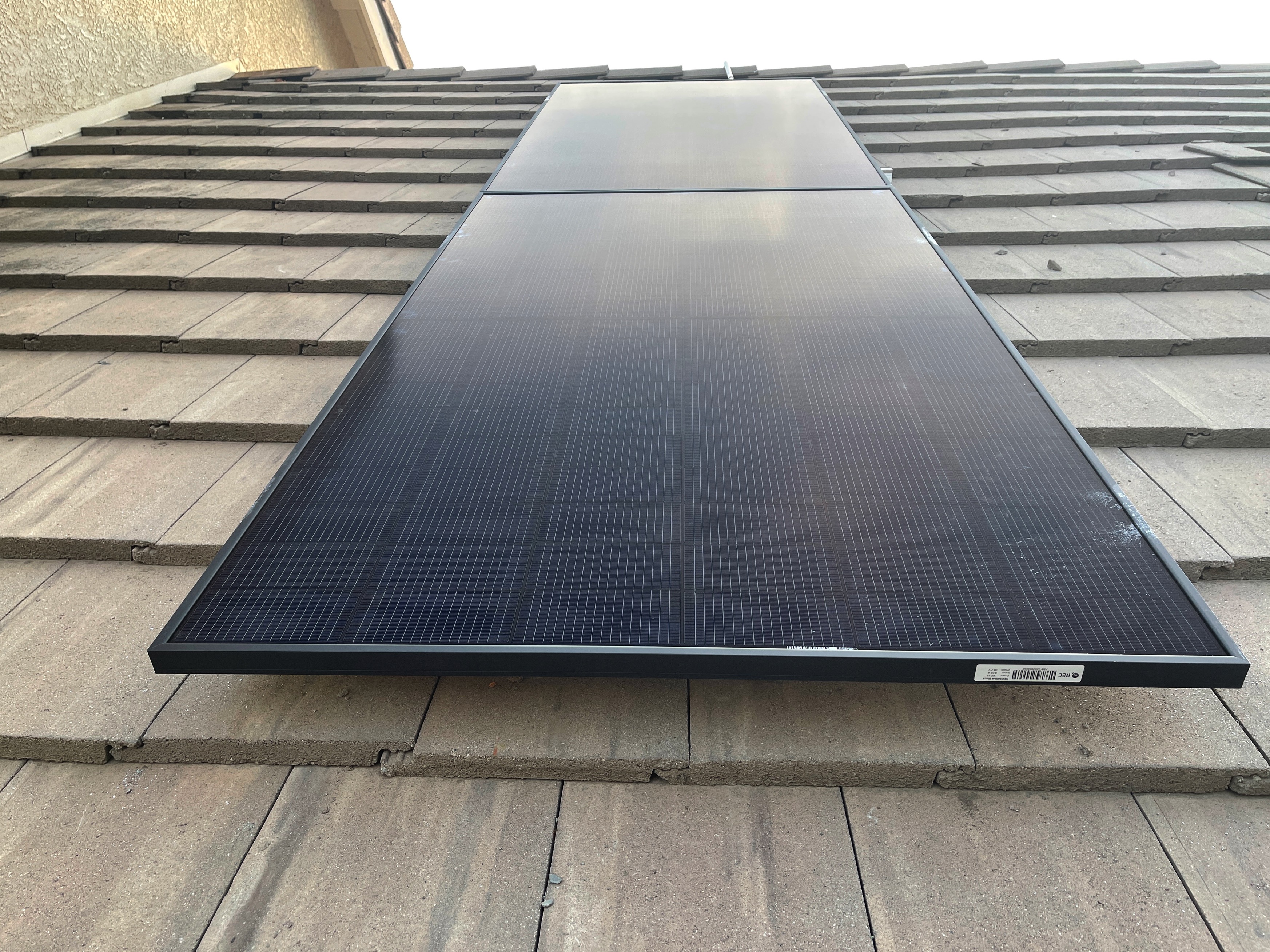
Check out this solar panels in Santa Clarita, CA.
This client wanted to go solar to take control of their electric bill before the summer months. This client also wanted to go solar to cut down their carbon foot print. We were happy to assist this customer on going solar while staying in the customer budget. Also, we were able to build a custom system that fulfilled the clients usage.
For this custom system built for the client we decided to go with REC panels and we used a Solaredge optimizers for maximum solar production. Since going solar this customer has been able to enjoy Thousands of dollars in yearly savings. Not only was client able to enjoy the yearly savings, but the tax incentives that come with going solar as well. There are numerous reasons/benefits for going solar, which are energy experts are happy to go over with you. Check out our Yelp to hear our customers experiences working with us.
Ready to get started on your solar project? Then contact our solar energy experts to see how much you can save with AMECO Solar.



How to Choose a Solar Company in Santa Clarita
Making the switch to solar is a big decision, and finding the right partner to guide you is just as important as choosing the right panels. With so many options out there, it can feel a bit overwhelming. To make it easier, here are a few key things to look for when selecting a solar installer in Santa Clarita. These steps will help you find a reliable company that can design a system perfect for your home and budget, ensuring you feel confident in your investment for years to come.
Get Multiple Quotes to Compare
Before you commit to a solar installer, it’s smart to shop around. Getting quotes from at least three different companies gives you a clear picture of what a fair price looks like for your project. According to the solar marketplace EnergySage, homeowners who compare multiple offers can save up to 20% on the total cost of their installation. When you review these quotes, look beyond the final price. Compare the proposed equipment, warranty terms, and financing options to make sure you’re getting the best overall value. A good first step is to use an online estimate calculator to get a baseline idea of potential costs and savings for your home.
Check for Credentials and Insurance
You wouldn't hire an unlicensed contractor to remodel your kitchen, and the same rule applies to your solar installation. It's essential to confirm that any company you consider is fully licensed and insured. This protects you from liability in case of accidents on your property and ensures the installer is qualified to do the job correctly and safely. A company with a long history, like AMECO’s 50 years of combined solar and roofing experience, demonstrates stability and a long-term commitment to its customers. A reputable installer will always be transparent about their credentials, giving you peace of mind that your home is in good hands.
Understand Equipment and Workmanship Warranties
Warranties are your safety net, so it’s crucial to understand what’s covered before signing a contract. There are two main types to ask about: an equipment warranty and a workmanship warranty. The equipment warranty covers the physical components, like your solar panels and inverters, against defects. The workmanship warranty covers the installation itself, protecting you from issues caused by improper labor. A strong workmanship warranty is a sign that the company stands behind its work. This is especially important when you have a company that handles both roofing and solar, as they can guarantee the installation won’t compromise your roof’s integrity.
Consider a Local vs. National Installer
When choosing an installer, you’ll likely come across both large national chains and smaller local companies. While big names have brand recognition, local installers often provide significant advantages. Research from EnergySage shows that national installers can be about 10% more expensive than local ones. A local company also brings an in-depth understanding of Santa Clarita’s specific building codes, permitting processes, and utility company requirements. They offer a more personalized experience, and you’ll be supporting a business in your own community. Working with a local expert ensures your project is tailored to the needs of California homeowners like you.
The Setting: Santa Clarita, CA
Santa Clarita, CA
Solar Costs, Savings, and Payback in Santa Clarita
When you’re thinking about a major home improvement like solar, the numbers are a huge part of the conversation. It’s not just about the initial price; it’s about seeing the complete financial picture, from the upfront cost to the long-term savings and how quickly your investment starts paying you back. In a place like Santa Clarita, where sunshine is abundant, making the switch to solar is a particularly smart financial decision. Let’s break down what you can realistically expect when it comes to the cost and return on a solar energy system for your home, so you can feel confident in your choice.
Average System Cost
So, what does it actually cost to go solar in Santa Clarita? Based on current market data, the average price for a typical 9.67 kW solar installation is around $23,542 before you factor in any tax credits or local rebates. It’s helpful to use this number as a general benchmark. Of course, your home’s specific energy needs might call for a smaller or larger system, which will adjust the final cost. This initial figure gives you a solid starting point for planning your budget. For a more personalized number based on your roof and electricity usage, you can use an estimate calculator to get a much clearer picture of your potential investment.
Factors Affecting Your Final Price
While the average cost is a great reference, several key factors will shape your final quote. The size of your system is the biggest variable—a larger home with higher energy bills will naturally need more panels to offset its consumption. The quality and efficiency of the solar panels and inverters you select also play a significant role in both cost and performance. Additionally, the complexity of the installation matters; for example, a steep roof or one with multiple angles might require more specialized labor. The condition of your roof is another important piece of the puzzle. Since we also provide professional roofing solutions, we can ensure your solar installation is built on a solid foundation for decades to come.
Long-Term Savings and Payback Period
The real magic happens when you look at the long-term picture. While there's an upfront investment, the financial benefits over time are substantial. Homeowners in Santa Clarita can expect to save an incredible $116,671 on average over the 25-year lifespan of their solar panel system. Just think about what you could do with that money instead of sending it to the utility company each month! The time it takes to recoup your initial investment, known as the payback period, is also impressively short. On average, a solar system in the area pays for itself in about 8.19 years. After that, every kilowatt of energy your panels produce is pure savings, protecting you from rising electricity rates for years to come.
When It Happened
2021
Key Solar Incentives to Act On
The Federal Solar Tax Credit Deadline
One of the most significant financial benefits for homeowners switching to solar is the Federal Solar Tax Credit. This incentive allows you to deduct 30% of the total cost of your solar panel system directly from your federal taxes. It’s a dollar-for-dollar reduction that makes a huge difference in the upfront investment. However, there's a key deadline to keep in mind. To qualify for the full 30% credit, your system must be fully installed and operational by December 31, 2025. This makes planning your project sooner rather than later a smart move to ensure you can claim this valuable credit.
This isn't just a small rebate; it's a substantial financial tool that can dramatically lower the cost of your entire solar installation. As the experts at NRG Clean Power note, "The 30% federal tax credit for residential solar panels is ending after December 31, 2025. To get this credit, your system must be fully installed and working by then." By taking advantage of this incentive, you can make your transition to clean energy more affordable and start seeing a return on your investment much faster. It’s an opportunity to secure your energy future while keeping costs manageable.
Beyond the initial tax credit, the long-term financial picture is even more compelling. According to data from EnergySage, California homeowners can save an average of "$116,671 on electricity bills over 25 years." When you combine these incredible long-term savings with the immediate reduction from the tax credit, the financial case for going solar becomes crystal clear. You’re not just making an upgrade to your home; you’re making a long-term investment that pays for itself and continues to save you money for decades.
To make the most of these opportunities, it’s helpful to understand all the financial assistance available. As A1 SolarStore suggests, you should "Explore financial help: Find out about tax credits, rebates, and payment plans that can make solar panels more affordable." Working with an experienced team can help you identify every incentive you qualify for. You can start by using an estimate calculator to get a preliminary idea of your costs and potential savings, which gives you a great starting point for a more detailed conversation.
How Long Did the Solar Installation Take?
2 Months
The Solar Installation Process Step-by-Step
Step 1: Consultation and Contract
Your solar journey begins with a conversation. This first step is all about figuring out what you need and finding the right company to partner with. You'll typically gather a few quotes to compare system designs and costs. At AMECO, we start with a personalized consultation to understand your energy goals, just like we did for the Santa Clarita homeowner. We follow a clear approach to look at your electricity usage and budget, designing a custom system that makes sense for you. Once you've reviewed the proposal and are ready to move forward, you'll sign a contract that outlines the project scope, timeline, and costs, locking in your path to energy independence.
Step 2: Site Visit and Permitting
After the paperwork is signed, the technical planning begins. A team of engineers will conduct a site visit to your home to take detailed measurements and assess your roof's condition and sun exposure. This ensures the final design is perfectly optimized for your property. This is also where having a company with deep roofing solutions expertise is a huge advantage; if any repairs are needed, they can be handled seamlessly. From there, your solar provider will manage the entire permitting process. They’ll submit all the necessary plans and applications to your local city or county and the utility company. You don't have to worry about the bureaucracy—your team handles it all.
Step 3: Installation and Inspection
This is when you see your solar system come to life. The physical installation is surprisingly quick, usually taking just one to three days. The installation crew will arrive to mount the racking, secure the solar panels, and connect all the electrical wiring and inverters. They work efficiently to minimize any disruption to your daily routine for our residential customers. Once the installation is complete, a final inspection is scheduled with your local building department to verify that the system meets all safety and code requirements. After it passes inspection, the utility company grants Permission to Operate (PTO), and you can officially flip the switch and start generating your own clean energy.
The Solar Technology We Used
Panel Brand: REC
Inverter Brand: SolarEdge
System Size: 13320
Planning Your Solar System
Jumping into solar is exciting, but a little planning goes a long way in making sure your system is a perfect fit for your home. It’s not just about putting panels on the roof; it’s about designing a system that meets your specific energy needs today and in the future. Thinking through the size of your system, what affects its performance, and how you’ll pay for it are the first steps toward energy independence. A well-planned system ensures you get the most out of your investment and enjoy reliable, clean power for decades, giving you control over your energy bills and your environmental impact.
The 20% Rule for Sizing Your System
A great guideline to follow when sizing your system is the "20% rule." This simply means your home solar system should be designed to produce about 20% more energy than your household typically consumes. This extra power acts as a safety net. For instance, if your home uses 1,000 kilowatt-hours (kWh) of electricity each month, you’d want a system that can generate around 1,200 kWh. That extra 200 kWh buffer accounts for cloudy days, a gradual decrease in panel efficiency over many years, or even future additions to your home like an electric vehicle that will increase your energy needs.
Factors That Affect Solar Production
Several key factors determine how much power your solar panels will actually generate. Your geographical location is a big one—here in California, we get plenty of sun, but local weather patterns still play a role. The orientation and pitch of your roof are also critical for capturing the maximum amount of sunlight. Even the type and efficiency of the solar panels themselves can make a difference. During a consultation, an expert will assess all these variables to create a custom design that maximizes your home’s solar potential and gives you a clear picture of your expected energy production.
Financing Options for Your Project
The cost of a solar system is a major consideration, but there are more ways to pay for it than you might think. You can purchase the system outright, but many homeowners choose to finance their project, often with a $0-down loan that makes it immediately accessible. Leasing is another option available in the market. A good solar partner will walk you through all the possibilities and help you understand the long-term financial benefits of each. They can also help you find and apply for any available rebates and tax incentives that can significantly reduce the overall cost of your project.
Adding Battery Storage for Energy Security
Generating your own solar power is a huge step toward energy freedom, but what happens when the sun goes down or the grid goes out? That’s where battery storage comes in. Pairing a solar battery with your panels allows you to store the excess energy you produce during the day for use whenever you need it. This is especially important in California, where power outages can be a regular occurrence. A battery backup system gives you peace of mind, knowing your lights and essential appliances will stay on no matter what, keeping your family safe and comfortable.
How Battery Backup Works
Think of a solar battery as your personal energy reserve. During the day, your solar panels will first power your home. Any extra electricity they generate is then used to charge your battery. When evening comes and your panels are no longer producing, your home automatically switches over to pull power from the battery instead of the grid. If a power outage occurs, the battery immediately kicks in to keep your home running seamlessly. It’s a simple and effective way to keep your power on and maintain control over your home's energy supply 24/7.
Benefits of Storing Your Solar Energy
Beyond providing backup power during an outage, a solar battery offers significant financial advantages. It allows you to use your own stored solar energy during peak evening hours when electricity rates from the utility are highest, helping you save even more on your bills. In some cases, if your panels produce more energy than you use and your battery is full, you can send the surplus back to the power grid. Depending on your utility's policy, you can receive a credit for this extra power, which further lowers your electricity costs and accelerates the return on your solar investment.
Frequently Asked Questions
How long does the entire solar process take from start to finish? While the physical installation on your roof is quick, usually just a few days, the entire project timeline is a bit longer. For the Santa Clarita project, it took about two months. This timeframe includes the initial consultation and system design, a detailed site visit, securing all the necessary permits from the city, and coordinating the final inspection with your utility company. We handle all of that coordination so you don't have to.
What if my roof is old or needs repairs before installation? This is a great question and a very common concern. Since solar panels are a long-term investment, you want to make sure the foundation they sit on is solid. Because we are also a licensed roofing contractor, we can assess your roof's condition during the site visit. If it needs any work, we can handle the repairs or replacement, creating a seamless process and ensuring your entire system is built to last.
How exactly does the 30% federal tax credit work? The federal tax credit is a significant financial incentive, but it's important to understand that it's a credit, not an instant rebate. This means it reduces the amount of federal income tax you owe for the year you install your system. For example, if the total cost is $24,000, a 30% credit would be $7,200. You could then subtract that $7,200 from your tax liability. We always recommend speaking with a tax professional to understand how it applies to your specific financial situation.
Why would I want a system that produces more energy than I currently use? It might seem strange to design a system that generates extra power, but it’s a smart way to plan for the future. We recommend sizing a system to produce about 20% more energy than your household's current average. This buffer accounts for cloudy days, the natural, gradual decrease in panel efficiency over 25 years, and any future lifestyle changes, like buying an electric vehicle or adding a new appliance. It ensures your system meets your needs for years to come.
Is a battery backup system really necessary for my home? Whether you need a battery depends on your primary goals. If you want to be completely protected from power outages and keep your lights and essential appliances running during a blackout, then a battery is essential for that peace of mind. A battery also helps you save more money by storing your excess solar power to use during the evening, which is when utility rates are typically at their highest. We can help you decide if it’s the right fit for your home and budget.
Key Takeaways
- Take advantage of key financial incentives: Going solar in Santa Clarita offers substantial long-term savings, and you can make the upfront cost more manageable by acting before the 30% federal tax credit expires at the end of 2025.
- Choose your solar installer with confidence: Protect your investment by doing your research. Always compare at least three quotes, verify that the company is licensed and insured, and carefully review both the equipment and workmanship warranties.
- Plan a solar system that grows with you: A well-designed system should meet your future needs, not just your current ones. Sizing your system to produce about 20% more energy than you use and adding a battery for backup power ensures you have reliable energy for years to come.
Related Articles

6.8.2022
Did you know the health of your roof is the foundation for a successful solar installation? Many homeowners don't realize this until they're trying to coordinate between a roofer and a separate solar installer, which can be a major hassle. A solar project should be seamless, not a logistical puzzle. That’s why finding a single, expert team to handle both your roofing and solar needs is so important. It ensures quality and accountability from start to finish. As a licensed roofing and solar contractor, ameco solar provides this integrated approach. Let's explore why this comprehensive solution protects your home and your investment.
Why California Homeowners Choose AMECO
When you decide to invest in your home, especially with something as significant as solar or a new roof, you want a partner you can trust. It’s about more than just materials; it’s about experience, reliability, and a proven history of happy customers. For homeowners across California, the choice often comes down to a company that has demonstrated its commitment over decades, not just a few years. This is where experience truly matters, ensuring your project is handled with expertise from start to finish and that the company will be around to support you for years to come.
Pioneers in Southern California Solar Since 1974
Experience is something you can't fake, and AMECO has been a leader in the solar industry since 1974. Think about that for a moment—we’ve been installing solar systems long before it became a mainstream home upgrade. This extensive history means we’ve seen it all and have refined our process to be as seamless as possible for homeowners. As a top solar and roofing contractor in Southern California, our longevity is a testament to our quality and dedication. We’ve built our reputation by consistently delivering reliable energy solutions that stand the test of time, helping generations of families make the switch to cleaner energy.
Certified, Licensed, and Award-Winning
Trust isn't just built on time; it's also built on credentials. We hold ourselves to the highest industry standards, which is why we’re proud to be certified by leading organizations like NABCEP (North American Board of Certified Energy Practitioners). This certification is the gold standard for solar installation professionals. Additionally, we are recognized by trusted platforms like Solar Reviews, reflecting our commitment to quality and customer satisfaction. When you work with us, you’re choosing a team whose expertise is formally recognized, giving you peace of mind that your home is in capable hands.
A Track Record of Real Impact
The best way to understand a company's value is to look at what it has accomplished for its customers. We’re incredibly proud of the tangible results we’ve delivered for thousands of homeowners across the state. Our work isn't just about installing panels; it's about creating real financial savings and contributing to a more sustainable future, one home at a time. The numbers speak for themselves and show a clear history of success and customer benefit.
Over 5,200 Solar Systems Installed
With over 5,200 solar systems installed, our experience is vast and varied. We’ve worked on homes of all shapes and sizes, tailoring each system to meet the unique energy needs of the family living there. This sheer volume of work has given us unparalleled expertise in designing and implementing effective solar solutions. Each installation represents another California family enjoying lower energy bills and greater energy independence, and we’re proud to have been a part of their journey.
More Than $24.8 Million in Customer Savings
Ultimately, going solar is an investment, and our customers have seen an incredible return. Collectively, AMECO customers have saved more than $24.8 million on their energy bills. This isn't just a number; it represents real money back in the pockets of families, which can be used for college funds, home improvements, or family vacations. We’re committed to designing systems that maximize your savings and provide financial relief from unpredictable utility rates.
Comprehensive Solutions for Your Home
Making the switch to solar should be a straightforward and positive experience. That’s why we offer a full range of services designed to cover all your needs under one roof. From the initial consultation to the final installation, our goal is to provide a holistic solution that integrates perfectly with your home. You shouldn't have to juggle multiple contractors or worry about different parts of the project not aligning. We manage everything, ensuring that your new solar system, roof, and energy storage work together flawlessly from day one, providing a complete and cohesive upgrade for your home.
Integrated Solar and Roofing Services
Your roof is the foundation of your solar system, and its condition is critical for a successful installation. We recognized this early on, which is why we became experts in both solar and roofing. By offering integrated roofing solutions, we ensure your roof is in optimal shape to support your solar panels for decades to come. This bundled approach saves you the headache of coordinating between a roofer and a solar installer. We handle everything, ensuring a seamless project that protects your home and maximizes your energy production with one expert team.
Achieve Energy Independence with Battery Backup
For many California homeowners, the threat of power outages and rising electricity costs is a major concern. A solar system is the first step toward energy independence, but pairing it with a battery backup system takes it to the next level. A battery allows you to store the excess energy your panels produce during the day and use it at night or during a blackout. This means you can keep your lights on, your refrigerator running, and your essential devices powered, no matter what’s happening with the grid. It’s the ultimate solution for true energy security.
Visualize Your Solar Project Online
It can be hard to picture what a new solar system or roof will look like on your home. We believe you should feel confident and excited about your project before any work begins. That’s why we’ve developed powerful online tools that allow you to see the potential of your home transformation right from your computer. These resources are designed to be user-friendly and provide you with the information you need to make an informed decision, all without any pressure.
Use Our 3D Home Visualizer
Curious how solar panels or a new roof will look on your house? Our 3D Home Visualizer lets you experiment with different options in real-time. You can upload a photo of your home and see exactly how our products will enhance its appearance. This interactive tool helps you design a look you love and feel completely confident in your aesthetic choices before we even schedule a consultation.
Get a Quick Quote with Our Estimate Calculator
Wondering about the costs and potential savings of going solar? Our Estimate Calculator is the perfect place to start. By answering a few simple questions about your home and energy usage, you can get a preliminary quote in just a few minutes. This tool provides a transparent, no-obligation look at what your investment might be and how much you could save on your electricity bills over time.
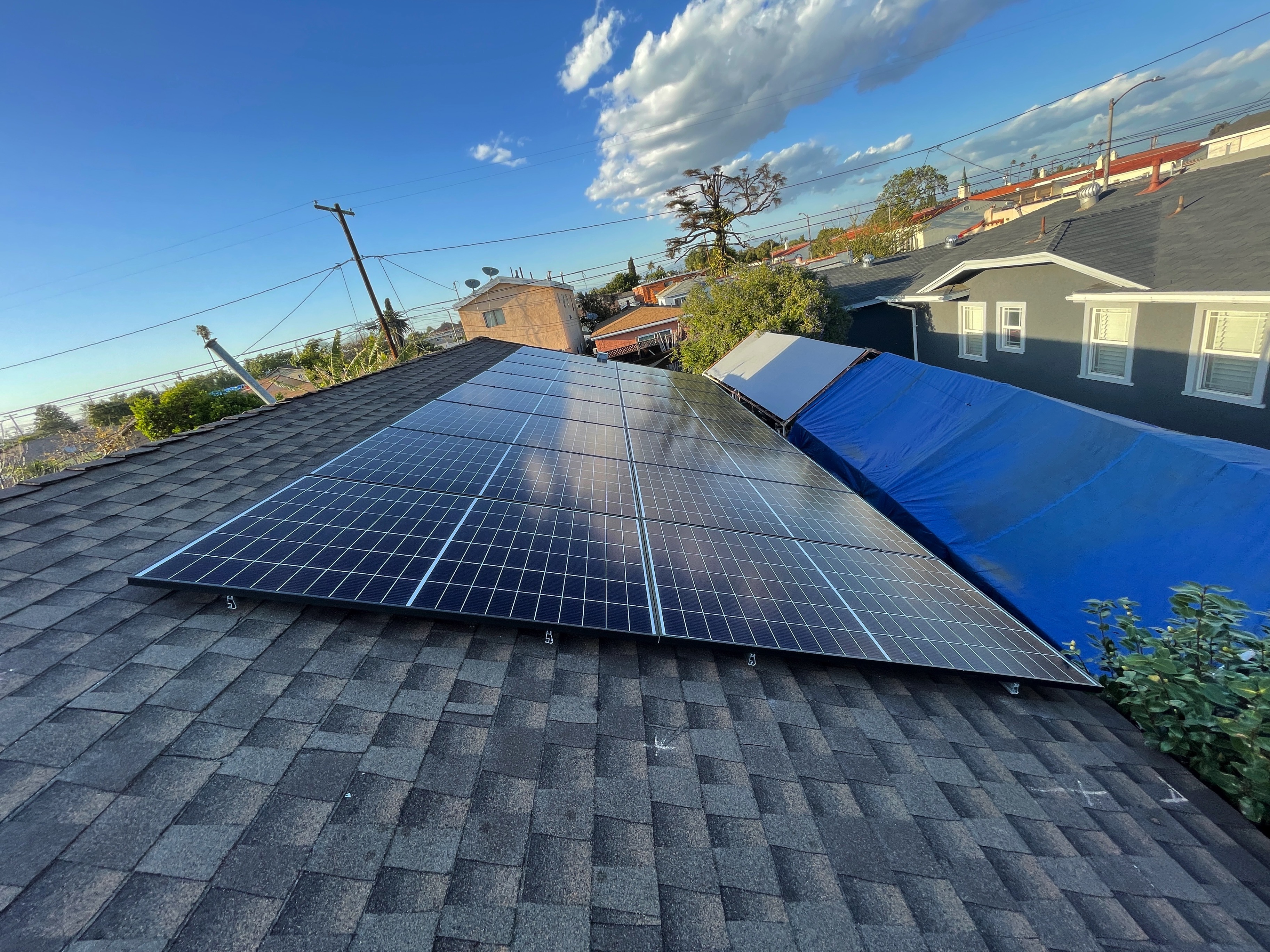
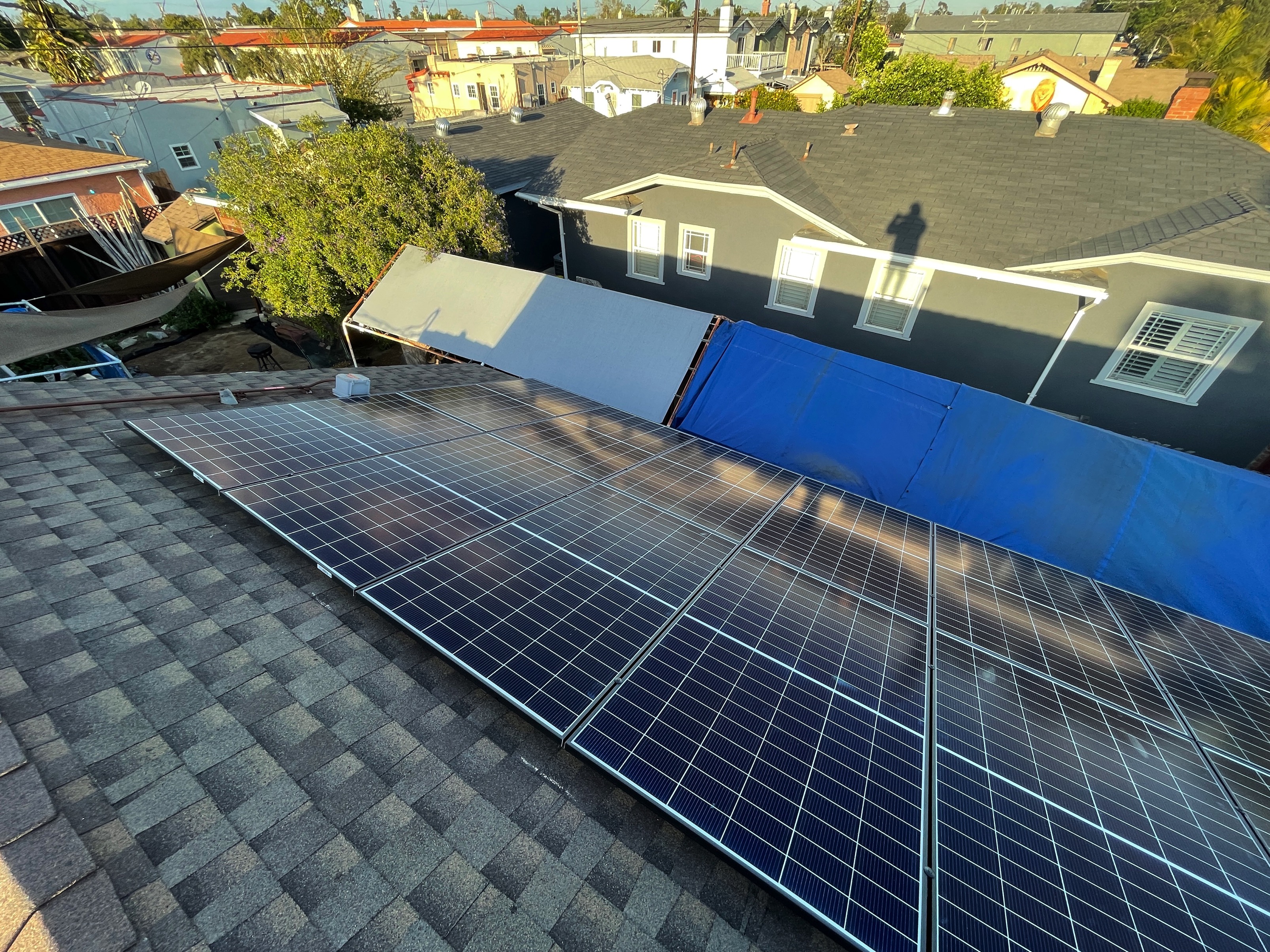
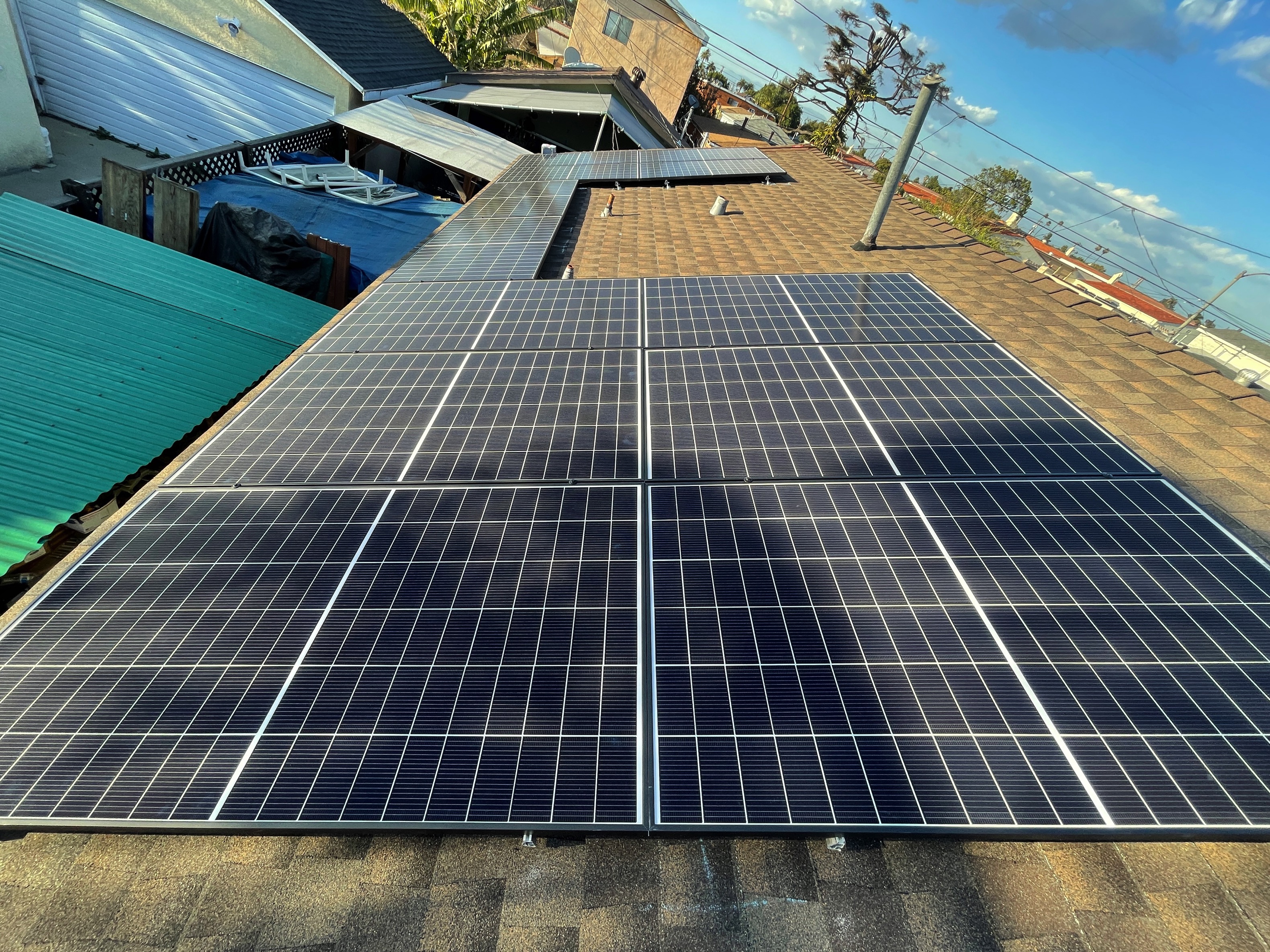
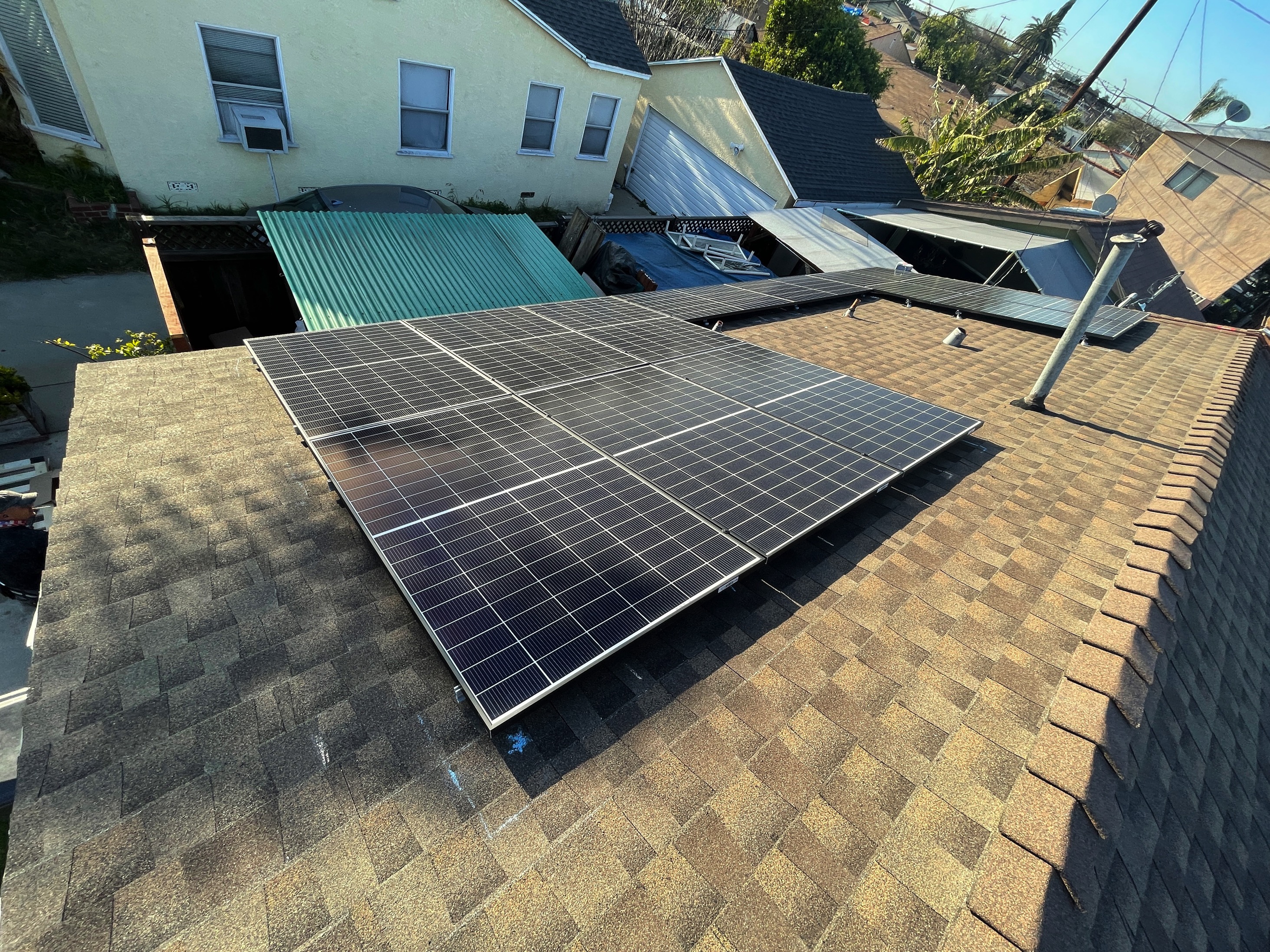
Our Work: A Long Beach Solar Power Project
Check out this solar power Long Beach, CA.
This is a beautiful solar installation in the neighborhood of Long Beach. This customer wanted to take control of their electric bill. To do this the best solution is by going solar and not did they take control of their bill are also helping the environment. Most clients in the beginning are not too familiar on how solar worked, but that is why our experts are happy to help in teaching our clients on how solar works.
In the initial consultation with our energy experts they always want to ensure they understand our clients usage, budget, and forecasted usage. The solution we had for this client is going with REC panels and Enphase microinverters to optimize solar production. As for the mounts for the panel we went with Ironridge mounts to ensure that the panels were nicely flush to the clients roof. Since going solar our customer has been able to enjoy Thousands in yearly savings.
Ready to get started on your solar project? Then contact our solar energy experts to see how much you can save with AMECO Solar.
Setting the Scene in Long Beach
Long Beach
Project Timeline
2021
From Consultation to Completion
2 Months
The Technology Powering This Home
Panel Brand: REC
Inverter Brand: Enphase
System Size: 10360
What to Consider When Going Solar
Making the switch to solar is an exciting step toward energy independence and lower electricity bills. But before you dive in, it’s smart to get familiar with a few key aspects of the process. Understanding the costs, how your system will function during a power outage, and the warranties that protect your investment will help you make a confident and informed decision for your home.
Understanding Costs and the Federal Tax Credit
The initial cost of a solar installation is a significant consideration, but powerful incentives are available to make it more affordable. The Federal Solar Tax Credit is a game-changer for homeowners, allowing you to claim 30% of the total cost of your solar system—including panels, installation, and even battery storage—directly off your federal income taxes. This isn't just a deduction; it's a dollar-for-dollar credit that can substantially reduce what you owe. It's important to know that you must own your system to qualify; leased systems aren't eligible for this credit. Getting a clear picture of your potential expenses and savings from the start is easy with tools like an online estimate calculator.
How Solar Systems Work During a Blackout
Many people assume solar panels will keep the lights on during a power outage, but standard grid-tied systems are designed to shut down for the safety of utility workers making repairs. This is where a solar battery comes in. By adding a battery backup system, you can store the excess energy your panels produce during the day instead of sending it all back to the grid. When the grid goes down, your home automatically switches to the stored battery power, keeping your essentials running without interruption. It’s the key to achieving true energy independence and peace of mind, especially when facing planned or unplanned blackouts.
What to Look for in Solar Warranties
Your solar energy system is a major home upgrade, so protecting it with strong warranties is essential. Typically, you’ll see two main types from the manufacturer: a product warranty, which covers equipment defects, and a performance warranty, which guarantees your panels will maintain a certain level of production for up to 25 years. Don't forget to ask about the workmanship warranty from your installer. This covers the quality of the installation itself, which is just as important as the equipment. Choosing an established company with a long history ensures that someone will be there to stand behind their work for decades to come. Our approach to quality installation is backed by experience you can trust.
Frequently Asked Questions
Why should I hire one company for both roofing and solar? Using a single, licensed contractor for both your roof and solar panels simplifies the entire process. Instead of you having to coordinate between two separate companies, we manage the project from top to bottom. This ensures your roof is in perfect condition to support the solar system for its entire lifespan and that one expert team is accountable for the quality of the entire installation.
What happens if my roof isn't ready for solar panels? This is a common situation, and it's exactly why our integrated approach is so valuable. As experienced roofing contractors, we first assess your roof's health. If it needs repairs or a replacement before solar can be installed, we handle all of that work ourselves. This creates a smooth, seamless project and guarantees your home's foundation is secure before we add your new energy system.
Will my solar panels provide power during a blackout? On their own, standard grid-tied solar systems do not provide power during a blackout. For safety reasons, they are designed to shut down when the grid goes down. To keep your lights on during an outage, you need to pair your solar panels with a battery backup system. The battery stores excess solar energy, allowing you to power your home independently when the grid is offline.
With so many solar companies out there, what makes AMECO different? Our history is a key differentiator. We've been installing solar systems since 1974, giving us decades of experience that newer companies simply don't have. This longevity means we've refined our process and will be here to stand behind our work and warranties for years to come. Our team also holds top industry certifications, like from NABCEP, which reflects our commitment to the highest installation standards.
How can I get a sense of the cost before committing to a consultation? We believe in making information accessible without any pressure. A great first step is to use the Estimate Calculator on our website. By providing a few details about your home and energy use, you can get a preliminary quote that outlines potential costs and your long-term savings. It’s a quick and easy way to see if solar is the right financial fit for you.
Key Takeaways
- Hire One Expert for Roofing and Solar: Streamline your project by choosing a single contractor who specializes in both. This integrated approach ensures your roof is properly prepared for solar panels and saves you the hassle of managing multiple teams.
- Prioritize Proven Experience: A company's long history is your best guarantee of quality workmanship and reliable, long-term support. Look for an installer with decades of experience to ensure they will be there to stand behind their warranties for years to come.
- Look Beyond the Panels for Maximum Value: True energy independence comes from a complete system. Consider adding a battery backup to keep your home powered during outages, and be sure to claim the 30% Federal Solar Tax Credit to significantly reduce your initial costs.
Related Articles
- Is Your Roof Ready for Solar Energy?
- GAF Solar: Exemplifying Solar + Roofing
- Our Approach
- Solar Panel News | AMECO Solar Blog
- Solar Panel Installation | AMECO Solar
Frequently Asked Questions


.svg)
