
How Does a Solar Pool Heater Work? A Simple Guide
A solar pool heater works by pumping water through solar collectors where it's warmed by the sun before returning to your pool. Get the simple breakdown.

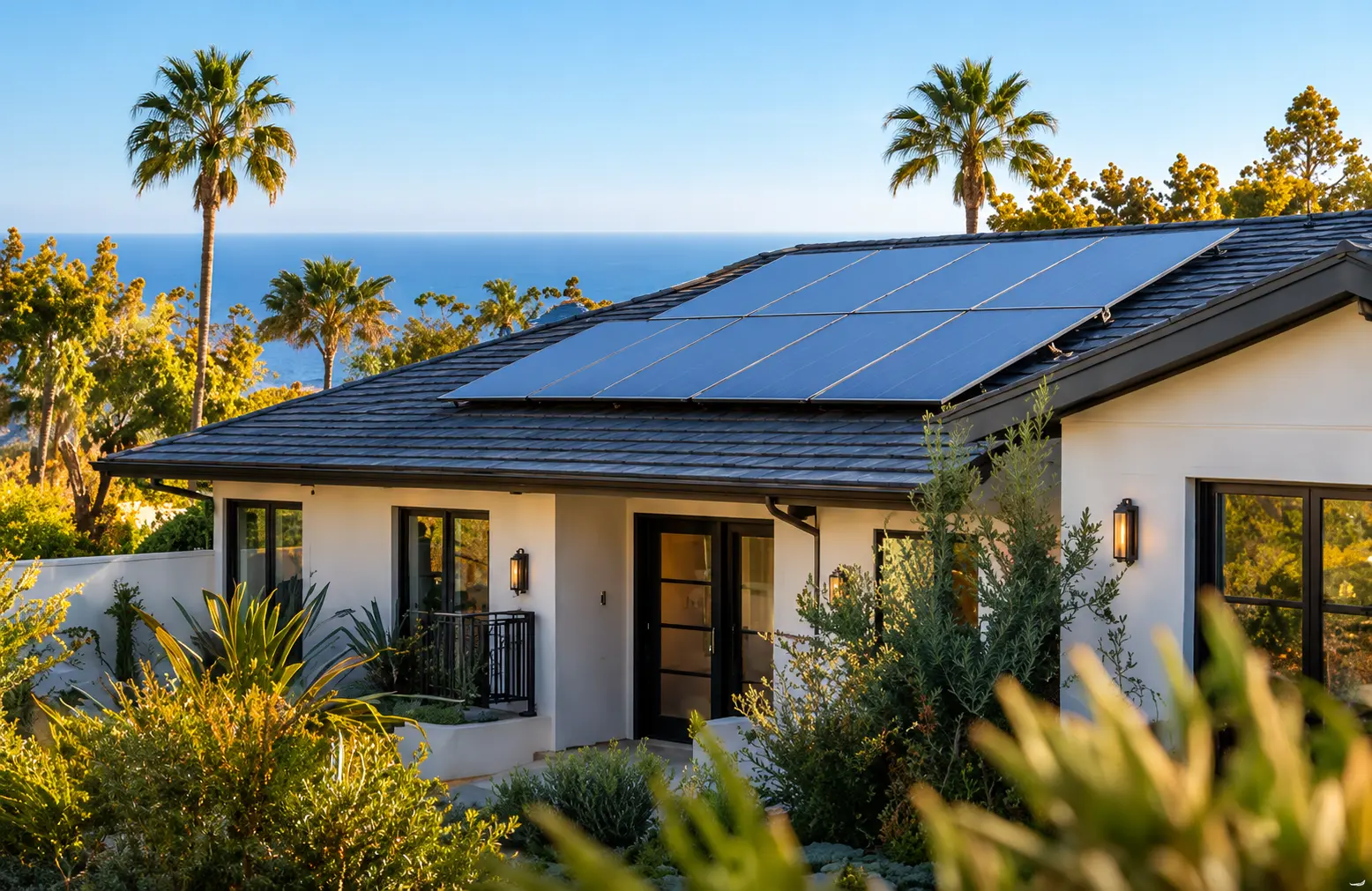

Solar collectors heat water directly. Photovoltaic panels generate electricity. A solar thermal pool heater usually uses the pool’s circulation system, a filter, a flow-control valve and a separate set of collectors.
For a Los Angeles or Orange County pool, first decide whether you want warmer water during the main swimming season or a longer season in spring and fall. Compare an installed quote with what you currently spend to heat the pool, including pump electricity and any backup heating you expect to use. A pool cover can help retain the heat after sunset.
If you already have a gas heater or heat pump, ask whether the solar collectors can preheat the water. The existing heater can then make up the difference when the sun provides less heat than you need.
How You Can Prepare
Look for an unshaded roof or another suitable location with enough space for the collectors. The installer should check exposure during the months you swim, the condition of the mounting surface and the route for the supply and return pipes.
The U.S. Department of Energy gives a starting range of 50% to 100% of the pool’s surface area. For a 15-by-30-foot pool, that is 225 to 450 square feet of collectors. Climate, shade, orientation, water temperature and the use of a cover all affect the final design.
Ask the installer for the collector and controller manuals and a handoff that covers filter maintenance, water chemistry, bypass operation and freeze protection for your equipment.
SOLAR PUMP:
The existing filter pump may be able to circulate water through the collectors. Have the installer check the required flow, collector height and pipe routing before deciding whether the pump can stay.
SOLAR CONTROLS:
An automatic controller can send filtered water to the collectors when they are warm enough to heat the pool. When the pool reaches its set temperature or the collectors cool down, the valve bypasses the solar loop.
OPERATION AND MAINTENANCE:
Have the installer demonstrate the temperature setting, bypass and seasonal shutdown. Where temperatures can drop below freezing, ask what drain-down or winterization procedure the manufacturer specifies for your system.
COLLECTOR LIFE:
Ask for the collector warranty in writing, including its term, required maintenance and whether labor or roof access is included in a claim.
LIMITATIONS:
Heat output varies with weather and season. If you want a specific water temperature on cloudy days or during cooler months, compare a solar-only design with one that keeps your existing heater available for backup.


